About Naxos
Naxos is the biggest and most fertile island of the Cyclades.
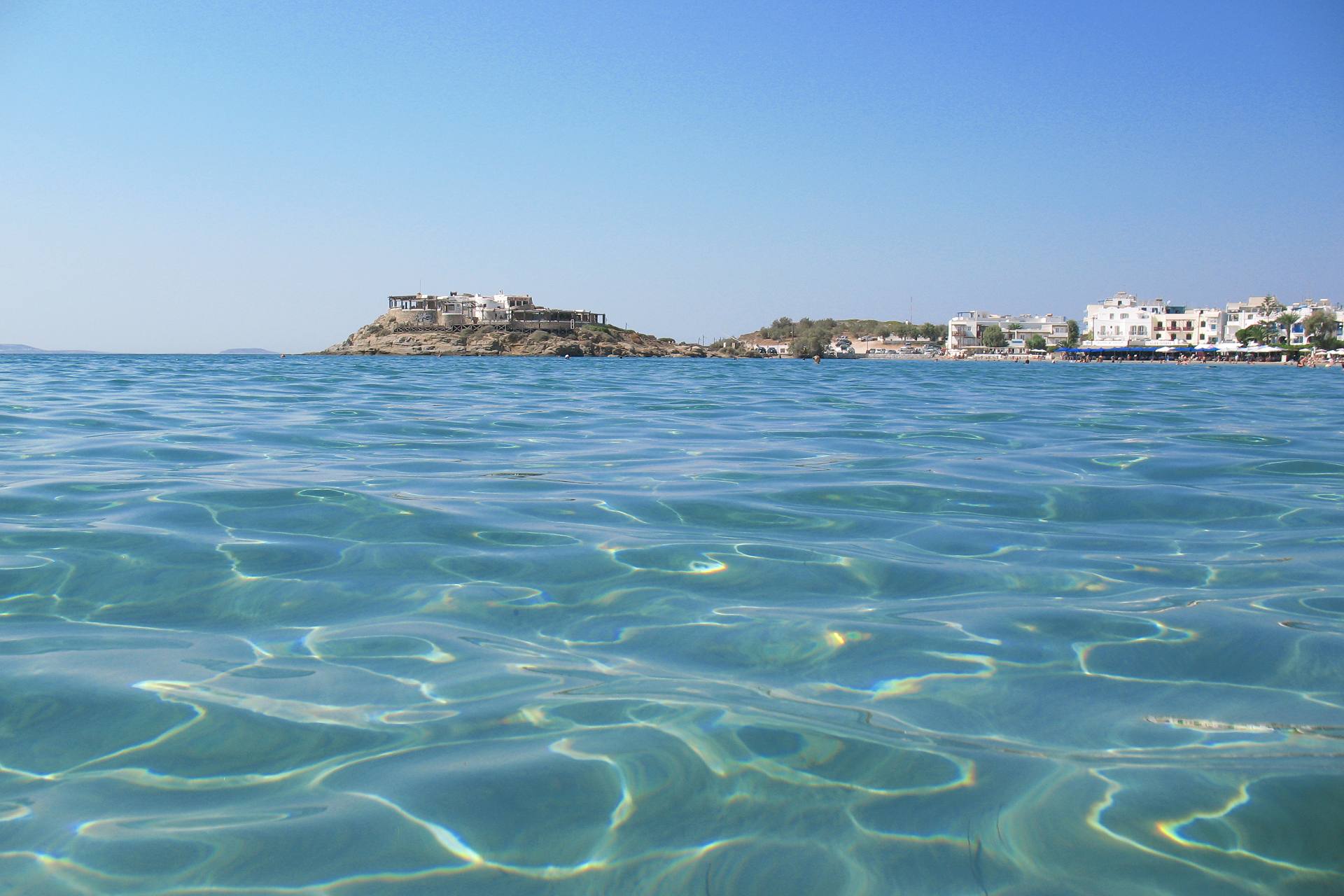
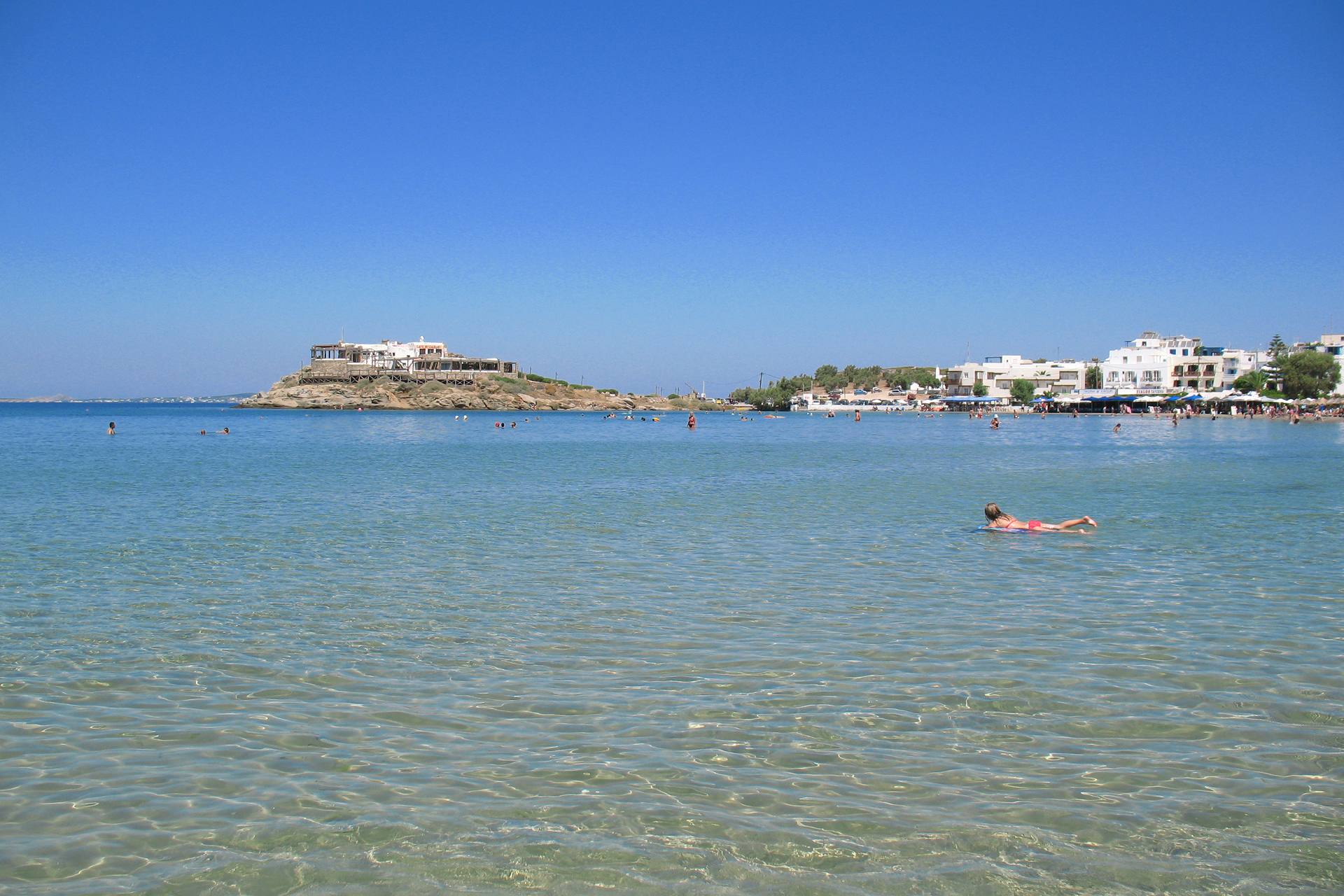
Its rich geographical relief has created dramatic changes of scenery. High mountains, fertile valleys, plateaus, springs, rivers, caves, huge beaches, sand dunes with cedar trees growing on them, all existing harmoniously on this small piece of earth.
Naxos is one of the few islands, which has been inhabited continiously since ancient times (end of the 4th millennium B.C.) till today.
It has been possible to gather information about the history of the Aegean from traces left behind from each historical period, along with unique monuments which are scattered all over the island.
Naxos has the cosmopolitan atmosphere of a modern tourist resort, but at the same time has kept its traditional colour and it's local culture.
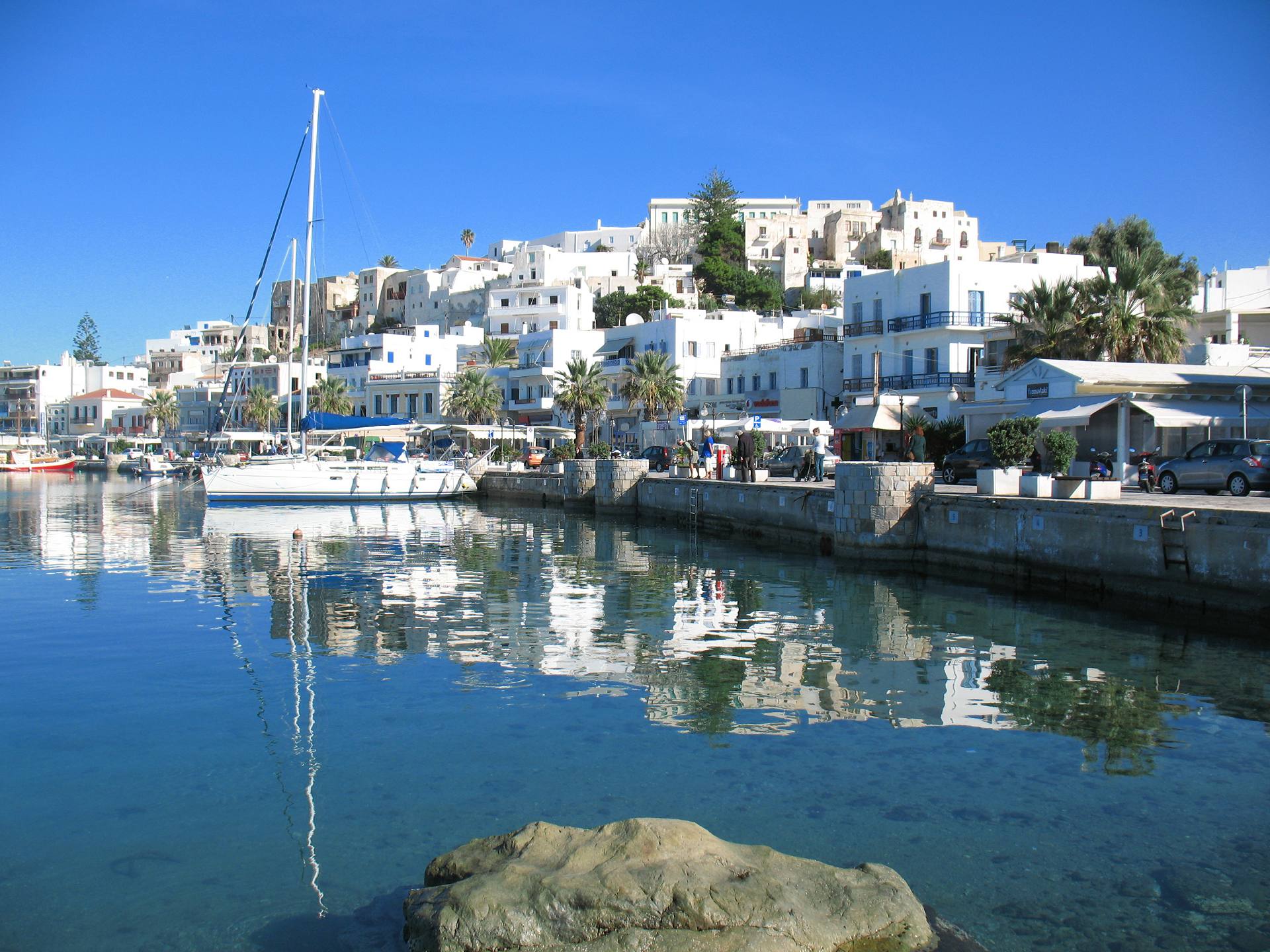
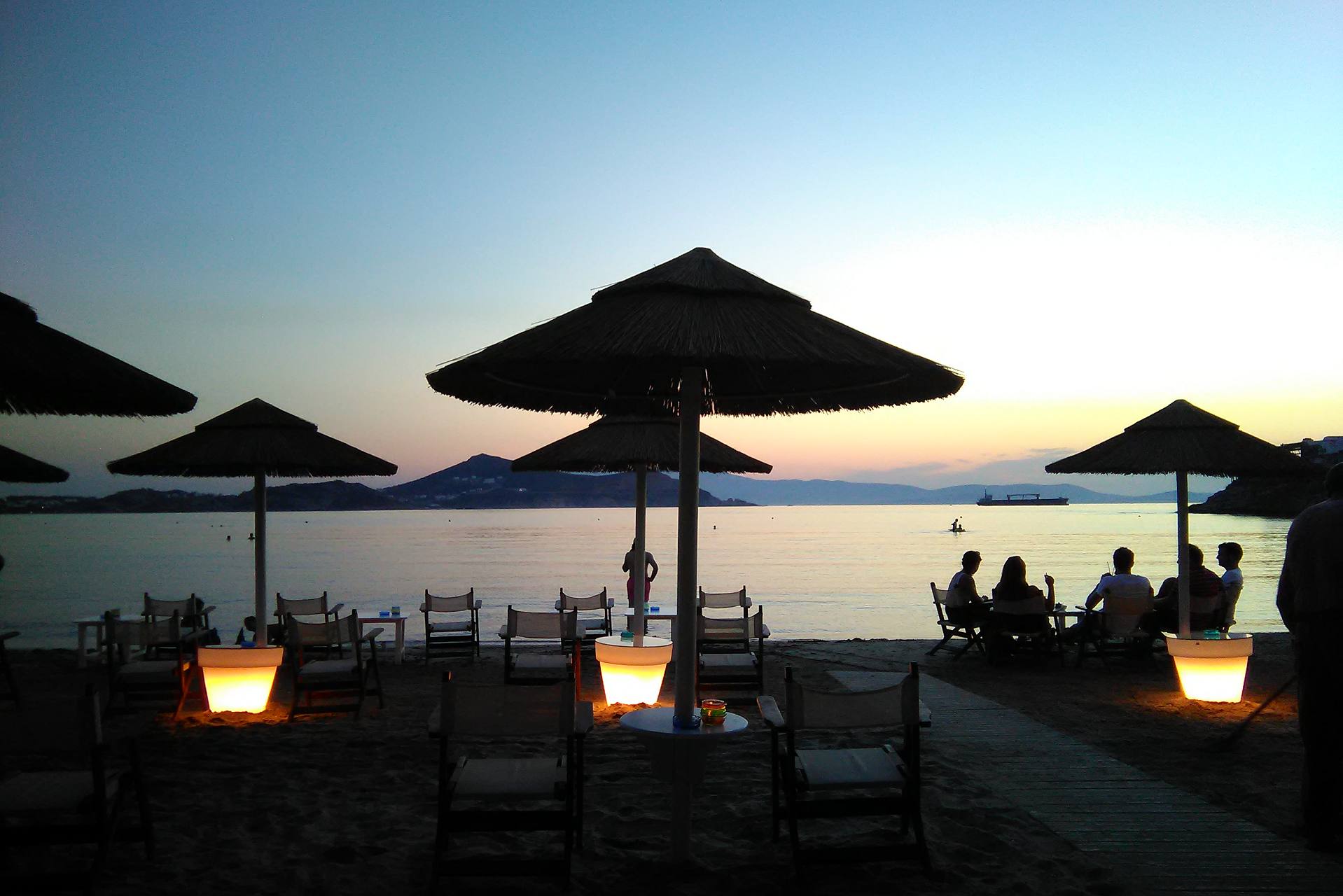
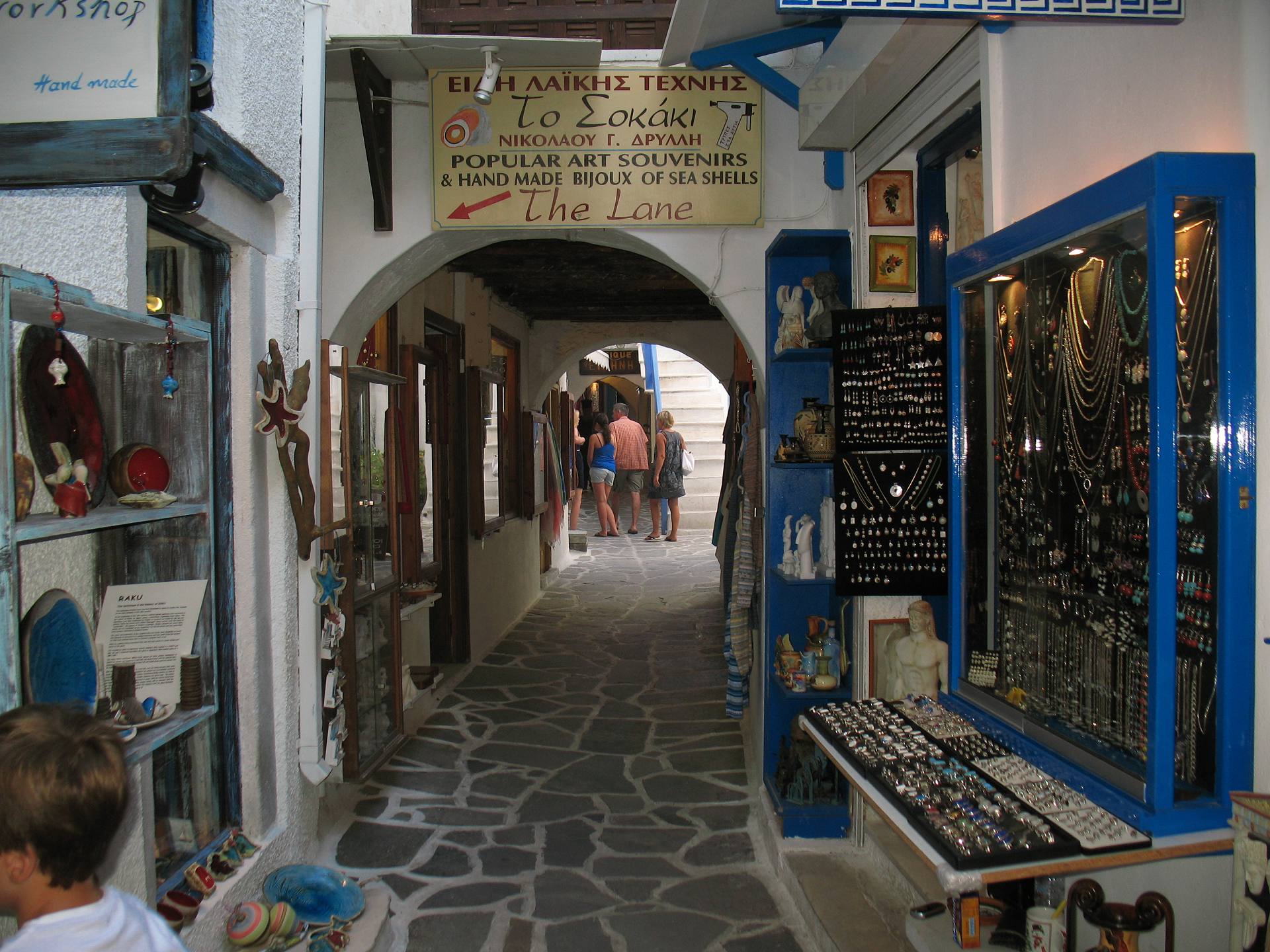
Hora (the main town) is a harbour and the administrative centre of the island. It is a modern town, which offers all kinds of facilities. There is a Health Centre, banks, a very good market place and lots of restaurants, bars and cafes. It has a lively nightlife, not only during the summer months, like most islands, but all the year round.
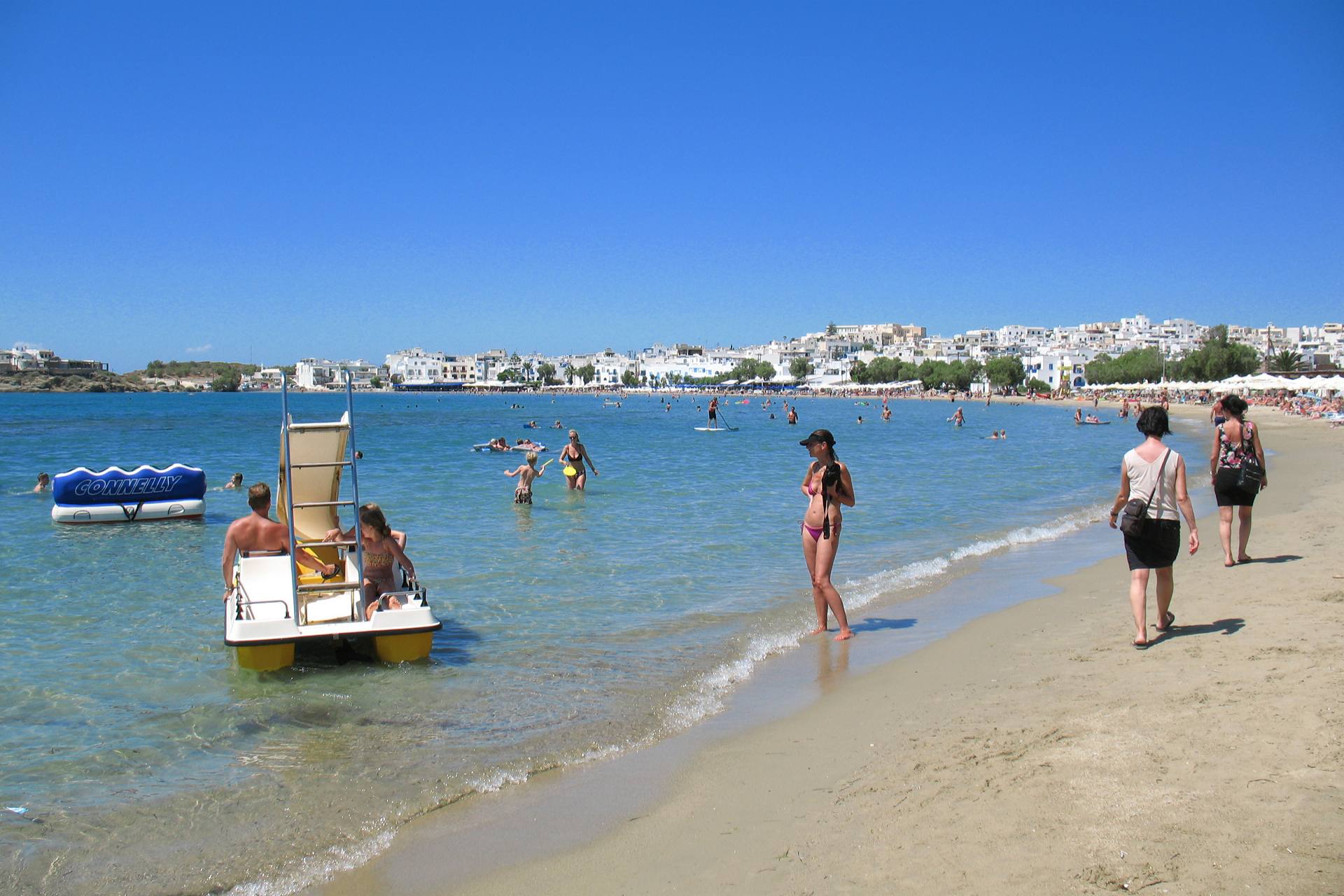
It's famous beaches on the south western side of the island, which are made up of kilometers of white golden sand, are being developed rapidly, but at the same time still maintain some of the atmosphere of the seventies when they were discovered by the "flower people".
However for someone to really get to know Naxos, he must visit the inland areas, the mountain villages, to walk the paths which crisscross the island, to listen to the violin and the lute at one of the local festivals and to get drunk on the island's energy.
Ladies and gentleman, welcome to Naxos.
The sights - Naxos Town (Hora)
The archeological museum
All findings from excavations are kept in the archaeological museum, proof of the uninterrupted cultural presence in Naxos from pre-historic times until the end of the ancient times. The museum is housed in the building of the former Commercial School in the area of the Castle.
Grota's archaeological site
Excavations made under Metropolis square have revealed some remains of the Mycenaean city of Naxos (1600 - 1100 B.C). The place has been landscaped and it is open to the public.
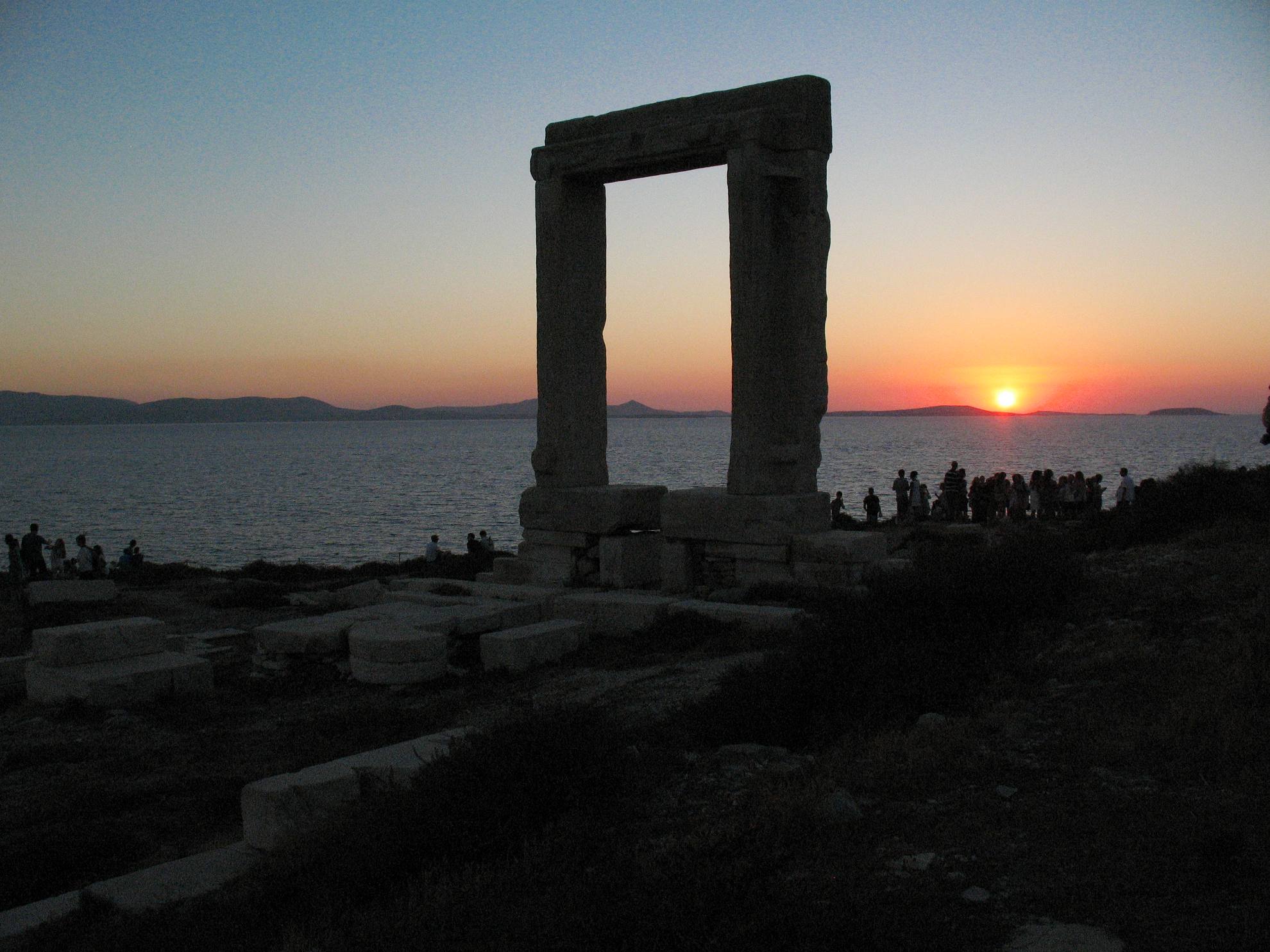
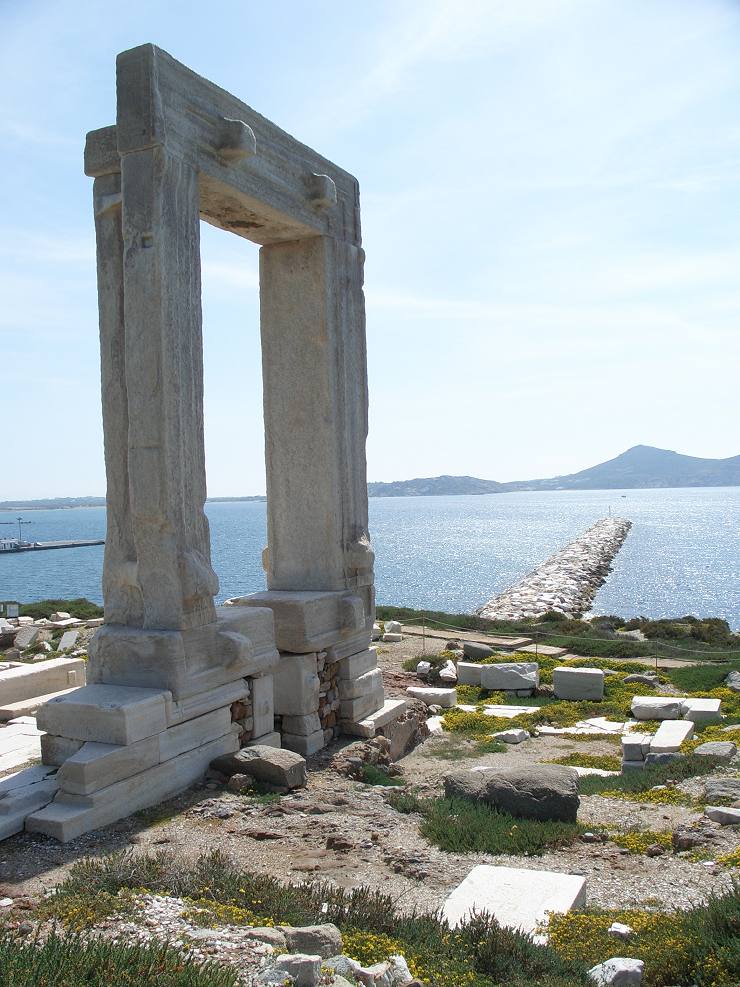
"Portara": Naxos' trademark
Portara can be seen from afar as ships approach the island of Naxos, standing on the northern side of the port. This monument is a gigantic gate, which remains from a temple that was dedicated to Apollo. It was built during the 6th century B.C, when Naxos used to be a commercial and cultural centre.
The castle
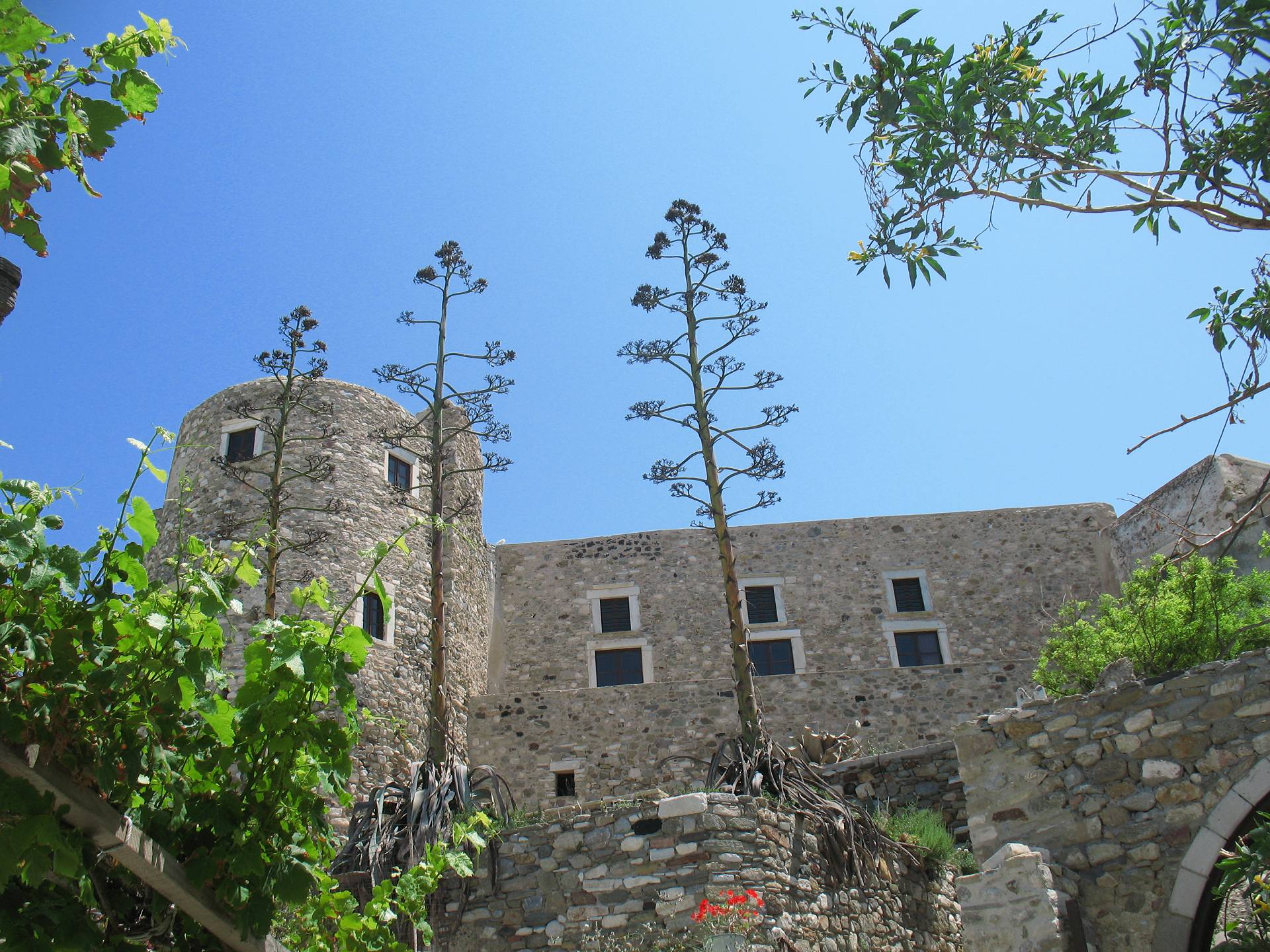
An impressive monument which was built during the long Venetian rule (1204-1537); it is located on a hill which is the natural acropolis of Hora. A medieval town in the heart of the Aegean still in its original form, inhabited continuously since 1207. The external walls of the peripheral houses shape the wall of the Castle, which has only three entrance gates.
Outside of Naxos Town (Hora)
The museums of Apeiranthos
The village Apeiranthos has a museum of archeology, geology and folk art. In the archeological museum there are pre-historic exhibits that have been excavated from the southeastern part of the island.
Iria - Dionysus' sanctuary
The Iria sanctuary, situated 10 kilometres south from Hora, at Livadi area, was the formal sanctuary of the city of Naxos, dedicated to Dionysus. During the various historical periods some buildings were destroyed and new ones were built over them. It has been discovered that at the fourth Iria temple (580-550 BC) was the beginning of classical Greek marble architecture. The restoration of the site is finished.
Sagri - Demeter's temple
It is situated south of the village Sagri, at Gyroulas area. The marble temple was dedicated to Demeter (the goddess of fertility) and to Apollo and is one of the best preserved ancient buildings in Greece, dating from 530 B.C. The restoration of the site is finished and there is also a small museum.
Kouros (Flerio)
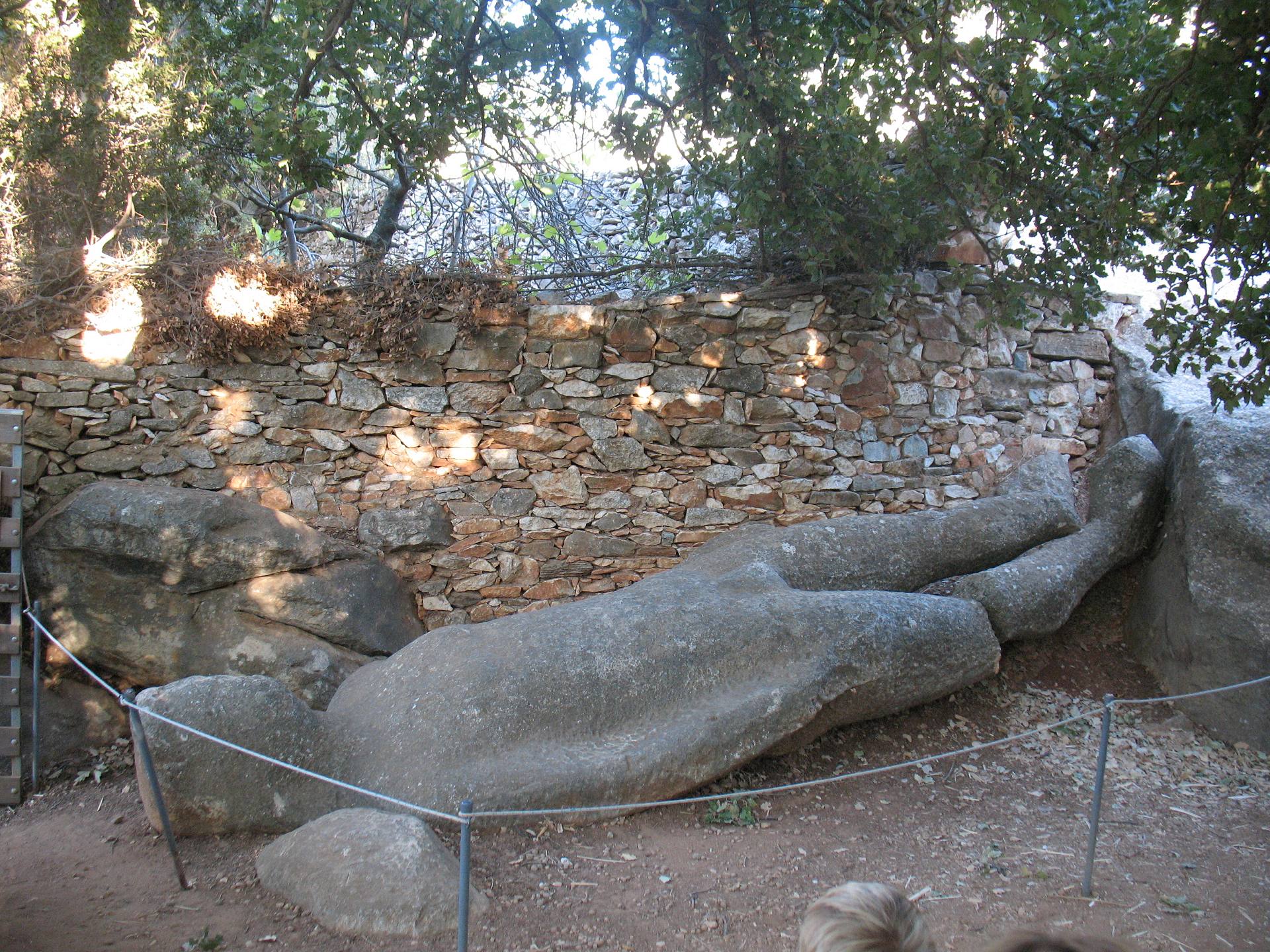
At Flerio, near the village of Melanes, there is a half finished male statue, belonging to the 7th century B.C., 6.4 metres tall, which was found in an olive grove.
Kouros (Apollonas)
Near the village Apollonas and near to the entrance of an ancient mine, there is a half finished "Kouros" (male statue) lying on the ground, which has never been moved from this spot. The statue is 10.45 metres high and is dated at the beginning of the 6th century B.C.
Plaka's tower
It is an ancient Greek tower, situated on the dirt road, which connects the village Tripodes to Plaka beach.
Himarros' tower
This tower is one of the most famous ancient monuments on the island and is situated towards the northeastern side of the island, about half way between Zas, Naxos' highest mountain, and the sea. Himarros tower is an imposing, marble, circular fortress, belonging to the Hellenistic period (4-3 centuries BC).
Apalirou castle
It was the strongest fortress in Naxos and the administrative centre of the island during the Byzantine empire, situated on the top of an unapproachable mountain in the area of Sagri.
Apano Kastro (Upper castle)
It is situated on the top of a mountain in the area of Tragea. Apano Kastro (Castle) was in use during several historical periods, from ancient times up to the Venetian rule. There are paths, which lead to the castle from the villages Tsikalario and Potamia.
The fortified monastery of Fotodotis (light giver) Christ
It is situated next to the village of Danakos. According to a legend it was built by a princesse during the byzantine years.
The church of Protothroni Virgin
The church of Protothroni Virgin (9th-10th cent.) in the village Halki is the biggest Byzantine church in Naxos, with important wall paintings. Mass has been held here since Early Christian times until today.
The church of Drosiani Virgin
The church of Drosiani Virgin near the village of Moni is one of the best-preserved monuments from the early Christian era in the whole of southeastern Europe.
It was constructed in three stages starting from the early Christian period. The oldest frescoes are from the 7th century.
The Venetian Towers
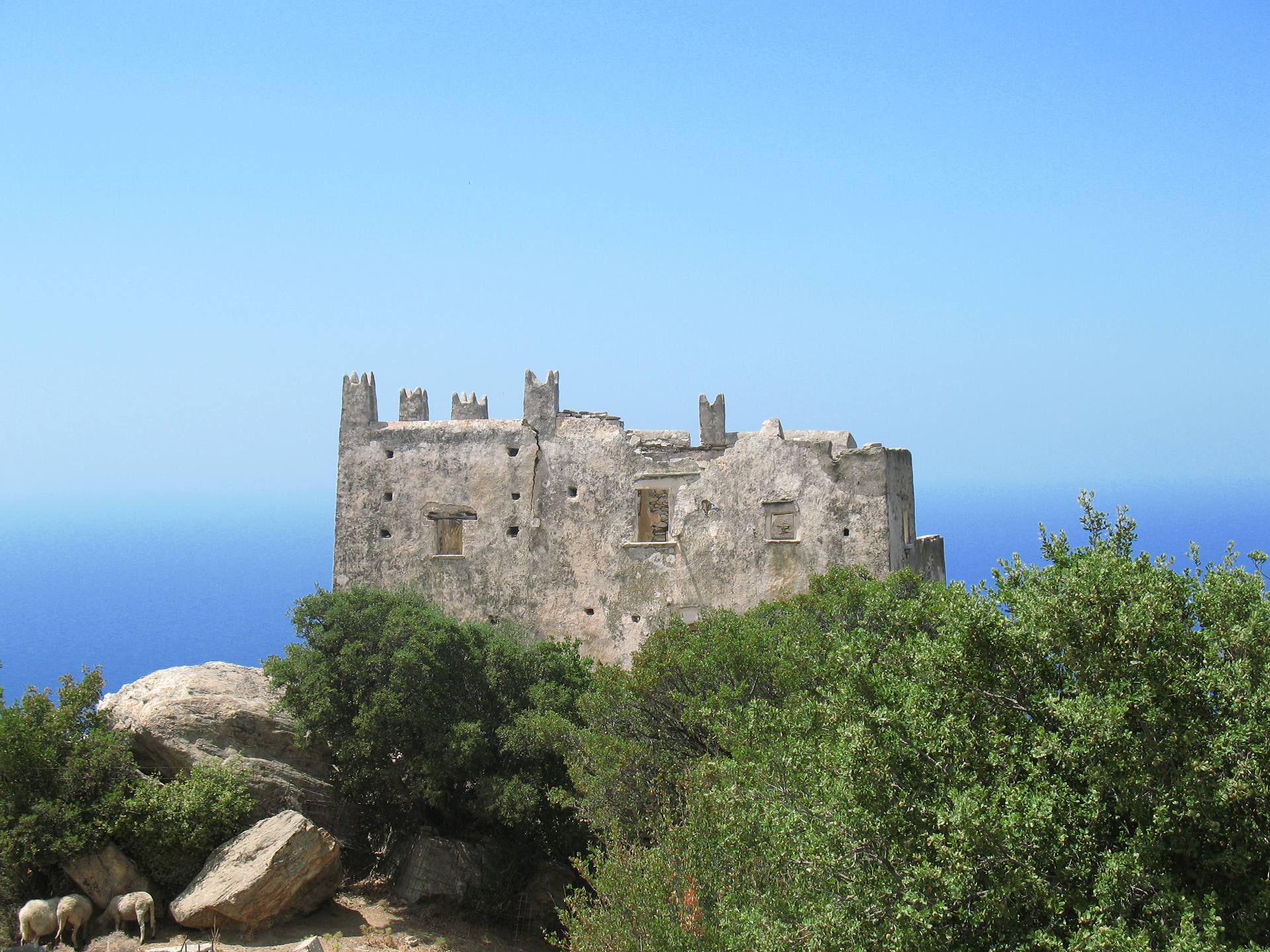
They can be found all over the island and they were built during the long Venetian rule. The Venetian towers were built with Naxian stone, un-plastered without any covering so that they blended in with the countryside. The most important Venetian Towers are the Bellonia tower, built a little way out of the village Galanado, the towers of Gratsia and Markopoliti, in the area of Tragea, the tower of Fragopoulos, in the village Kourounohori and the Barotsi tower, in the village Filoti.
The fortified monastery of Virgin Mary (Ipsilotera)
A monastery-tower dedicated to the Virgin Mary built in 1600, situated on the road, which leads from the village Galini to the coast of Amitis.
Agia
In Agia, about 6 klm. from the village Apollonas, in a strategic spot near to the most northerly point of the island is the Tower of Agia. Not far from the tower amongst plane trees and running water is the old monastery of the Holy Virgin with its miraculous icon, which according to tradition, was found in the sea.